
Rachel Grieves, Orcs and Goons, China’s paradox, soft budgeting and where the Great Reform Act went wrong – a gloomy calm.
Weakness through strength
The China paradox was neatly laid out by George Magnus, author of Red Flags*, at a recent meet up, as I struggle to knit together the view that the China property bust is a multi-decade problem, yet they can still dominate technological change and global manufacturing.
The answer it seems lies in the gentle phrase, “soft budgeting”. Which seems to mean you can (as a Chinese firm) lose money for ever, but face no consequences, as the lending institutions softly ignore your insolvency, hide it and keep money flowing.
This allows colossal unproductive overproduction, along with chasing many blind technological alleys, at no apparent cost, as it all gets shuttled around an opaque state ‘banking’ system. We see vast amounts of advanced products sold at well below cost. In a way, so far, our response has been “thank you”.
Maybe that’s right. The worry is both that the flow stops after decimating our jobs, halting our investment, and beyond that, that our actions are creating an(other) insolvent superpower. With their trade surplus already far beyond post war norms, and no viable way out of overinvestment in infrastructure and housing. The economic force feeding is shown here.
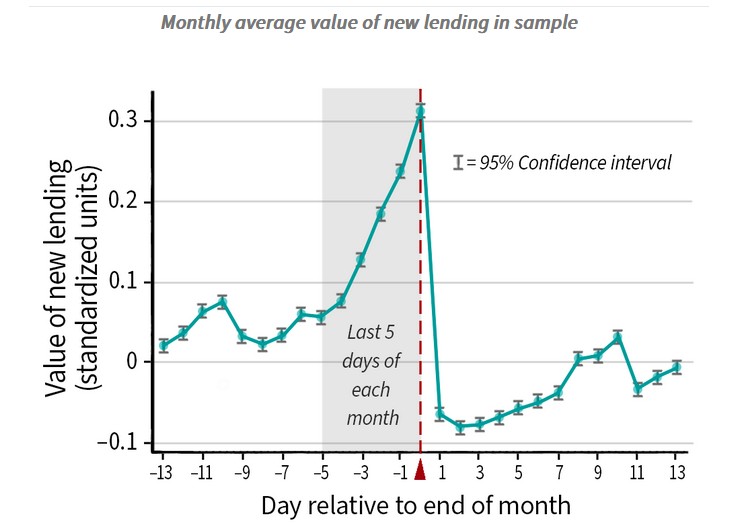
From this explanatory article, published by Stanford University
Not yet ‘WON’
This year marks the 250th anniversary of Adam Smith’s Wealth of Nations, conveniently known in academic circles as WON. Not yet it seems. We had a wonkish gathering of economists at Kings, Cambridge this week, with a celebratory tome to come. Economists are hostile to most measures of GDP, so a lot of time was spent lamenting the neglect of tree hugging and the like. Vain as the Snipe is at his rewilding efforts and new oak woodland, I am under few illusions of its economic value. This whole “remeasure GDP for what matters” school is both deeply entrenched and sadly redolent of the same soft budgeting.
Adam Smith being marooned in Glasgow missed a lot. His poor Oxford experience consisted of two meetings a week at which his professor read out loud from one of his books. I make no comment.
Welfare for the Ages
Smith also, being Scottish, got the Poor Laws wrong, (they were an English creation, of Elizabeth I). His only source was a JP’s handbook of caselaw – seldom the best way to see the good in anything.
The Great Reform Act (1832) took the poor off the hands of single Parishes, and created the hated Workhouses, abolishing local welfare, paid by local land owners, in the process. Adam Smith had condemned the old scheme for reducing labour mobility. The ubiquitous Webbs, (Sidney and Beatrice) almost a century later published nine volumes on the state of the poor, and repeated Smith’s ignorance, so it has passed into history.
The disastrous part of that, still present today, was a releasing of the individual Parish obligation to feed and house their children through life, by making the obligation universal – creating an unfunded obligation. Elizabeth had within thirty years all but eliminated famine from her country, but the Great Reform Act destroyed that safety net. Famine then stalked British Empire lands, with no Poor Law.
The obligation to feed and house was cut loose from the land, from the taxable asset, so the disaster of the Potato Famine struck Ireland, chronic famines struck an ever more prosperous India, and Scotland suffered the Highland Clearances.
If no one is responsible, nobody solves the issue.
Bedlam
I dutifully sat through the Spring Statement, a complete waste of time. A terrible spectacle; nothing was said, no shame felt, bar a very slight pause ahead of admitting growth would fall below forecast again. How we think this is a way to conduct policy beats me. It sounded pointless and vacuous.Every number cried out stagnation.
Mel Stride was little better, although the cameras are kind; in real life he is far more Captain Mainwaring, all spectacles and manufactured outrage. The ‘government’ MPs bayed and howled, rightly described as orcs and goons by Kemi, and the speaker squirmed, as he ineffectually tried to quell the mob.It is sad reflection on the way we conduct ourselves, that Trump’s news conference with Chancellor Merz, the same day, looked logical and civilised. In a curious echo of Theresa May, Rachel kept repeating the importance of not changing course, almost a plea for ‘strong and stable’ government.
Down Tools
Two weeks ago, I was set to tend my portfolio, wondering what to trim, as it hit another all time high. Well, Trump has solved that problem for us. Yet little has moved into the buy column either, we feel as if we have just blown off the froth.
Experience says these flare ups in the Middle East don’t outlast the Spring fighting season, and I see no real reason to think otherwise. But a lot of economic damage to a poor country is being added, to the awful history of destruction.
So, I feel becalmed, if markets go lower or stabilise, I will look again, but I am allergic to buying when prices seem to have no floor, and yet so little is outrageously cheap.
* Red Flags: Why Xi’s China is in jeopardy. Yale University Press
The link to this book on Amazon