

Burnham as the continuity Labour candidate, markets rotating through assets at dizzying speed, seasonality, and higher interest rates must come.
You must win, in order to rule
The Labour Party for much of the last century was a recognisable progression of Oxbridge educated, smooth talking, career politicians.
True they roughened up their edges, but after an initial flirtation with proletarian revolution, they tried to be serious. And indeed, tried to compete with their (in general) seriously minded mirror images in a two-party system.
They had failed to prepare for a pattern of a reforming leader, chiselled away by ambitious placemen, and tossed around by events, who in time is followed by a dull time server, who then gets subbed off by the polls, and discarded in turn.
Both main parties got sucked into caring about ideology and obedience, and their money men (and women) imposed some rank no-hopers, seemingly unable to learn that you must first win, in order to rule.
Paying the piper
The Labour Party for all the democratic changes, remains in hock to its money men, who are the trade unions, The Tories are similar, although property owning financiers matter most to them. Mass memberships are nice to have, but in the end matter little, when the funders move on.
Gordon Brown was never a likely vote winner, far too dour, so we got Red Ed, who promised (and promises) much to the party funders, but was about as lively as his megalith of broken promises. Of course, less we forget, he is Oxford (Corpus Christi), and PPE, like Rachel Reeves or Boris. Still the standard product.
Then the system failed, we got a barely educated populist revolutionary in Jeremy Corbyn, for no obvious reason, except the Trade Unions loved him. He was unelectable. The system radically over corrected, despair stalked the streets, haunted by Boris.
Desperate measures were needed, none of the Oxbridge bench looked good enough, so a stern-faced rookie and criminal prosecutor, is favoured next Clint Eastwood style, to rid the corrupt party of its vices.
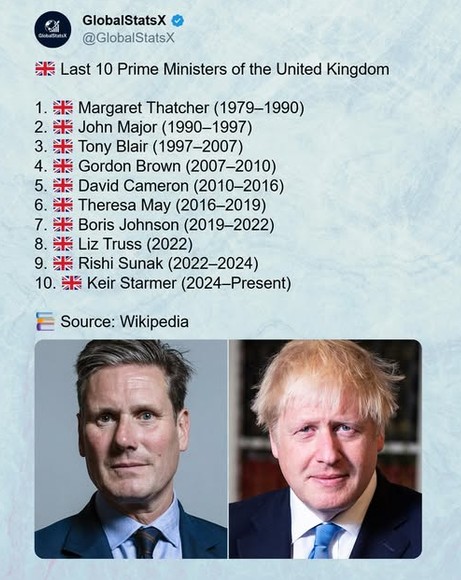
Which he does. He was never real Labour, never loved, and once Boris and the Tories had been shot out of town, disposable.
All the Labour Party really cares for is normal service, a true time served politician, local government, junior minister, who knows (and cares) who pays the party bills. Untainted by Starmerism, or almost as bad, Blairite views.
I rather doubt that is what the country wants, but he has three years to find out.
What does he want?
What are Burham’s ambitions? I see keeping over 200 seats, with 250 being a good result. So still the largest party. But an outright majority? Not while Farage is in town. Not many Reform voters will see the pros and cons of this continuity labour.
What can he achieve?
Not a lot, three years is not long.
Starmer started a process but not a lot was achieved : he put in quite a lot of fundamental reforms, in investment, local authorities, planning, pensions, immigration, employment, schools, and hospitals. All are under way, subject to state inertia.
If Burnham leaves them alone, benefits will arrive towards the end of this parliament.
While the idea of a manufacturing revival is simply bonkers. Everything both parties have done this century is designed to undermine long term investment, in manufacturing, so what is left is hopelessly inefficient, not globally competitive, and often profoundly inflationary.
I see no way net zero is ever compatible with making stuff at home. So, the best he can do is shelter some markets, by subsidy or local sourcing rules, and put up with trying to force someone to use their overpriced non-working output.
What about his other great hope? Localism, which has repeatedly been tried and failed. Local authorities just don’t have the skill set to do anything beyond the cosmetic. Adding more powers, midway through a massive reorganisation into unitary authorities (if that proceeds), with no new money, will be an almighty mess.
What he wants is more mayoral powers to sidestep elected councils, a rather different thing. Reintroducing local control over schools largely reflects teaching unions’ desire to avoid the dead hand of the Treasury. All of this feels performative, little feels practical. I don’t doubt he will try, but rather doubt it cuts much ice.
So, on his terms, he will fail, but on Labour Party terms, and to some degree on electoral terms, a new broom will still have benefits.
Is Kevin serious?
It is strange how little attention the US Market, at least as far as rate rises go, have paid to their own new sheriff. Despite his promises to not only take the punch bowl away, but also smash it and through the remains off a cliff.
Oil prices no longer matter that much to the US, despite their visibility and telegenic attributes. Current interest rates are holding down consumption, and leaving the labour market nicely balanced. The previous Federal Reserve Board was hostile to rate rises, and apparently is not about to change tack for the new boy.
Yet, if he was really, as he claimed, a strict monetarist, I see both higher rates and a shrinking Fed balance sheet, sharply tightening US liquidity.
For investors the trouble is that the scale, depth and vitality of the US economy takes some beating, even if rates do rise.
That investors are nervy is shown by the speed at which they gyrate. The so called Magnificent Seven are suddenly not loved. Traditionally cyclical chip makers have been bid up to crazy heights. Hard commodities have briefly had a great time as well. Financials love steady, or rising interest rates. But is there long-term conviction in any of those sectors? Indeed, if rates rise, and growth slows, then what endures?
Could the rocking boat capsize in shallow summer trading?
Fundamentals do look good, but from here to the mid-terms, I see too much excitement.